The standard advice for small rooms is to paint them white, buy small furniture and keep everything minimal. It is safe, and it often produces a room that feels like a waiting area. Small spaces respond better to confidence: fewer but larger pieces, deliberate darkness, and light placed with intention. Here are the moves we return to again and again for studios, box rooms and narrow hallways.
1. Scale up, not down
A room filled with many small pieces looks busy and cramped because the eye counts each one. One generous sofa, one large rug and one big piece of art read as calm. In a studio, a 200 cm sofa against the longest wall usually beats a two-seater plus an armchair. Measure doorways and stairwells first; small homes have narrow access, and many sofas now come in modular sections for that reason.
2. Show the floor
Furniture on legs lets light and sight pass underneath, so the floor continues visually to the wall. Choose a sofa, bed and sideboard with visible legs, a glass or slim-framed side table, and wall-mounted shelves. The more continuous floor you can see, the bigger the room reads, particularly in low lamp light.
3. Zone with soft edges
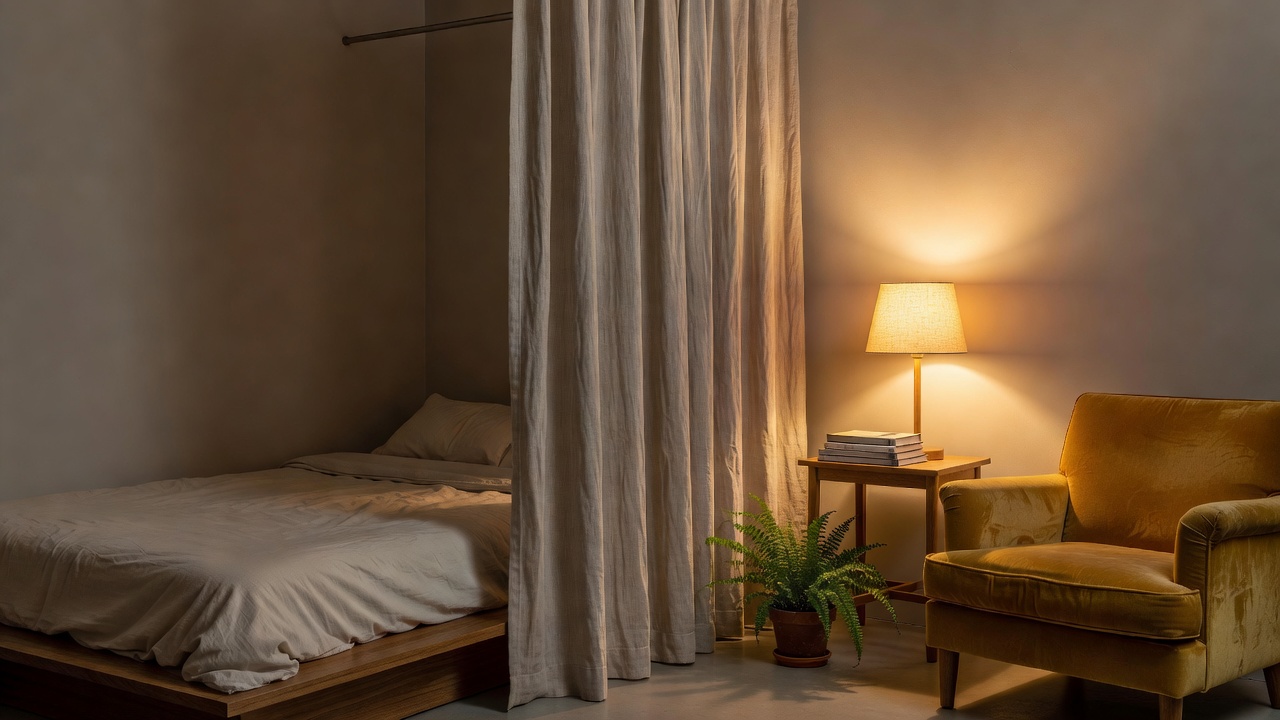
Studios fail when everything sits in one undifferentiated box. Create zones with things that do not need a builder: a rug defines the lounge; a ceiling-mounted curtain track separates the bed; a pendant hung low over a small table marks the dining spot. A floor-to-ceiling linen curtain around a bed is the single most effective renter move we know. It hides the unmade duvet when guests arrive and makes sleeping feel private.
4. Go dark on purpose
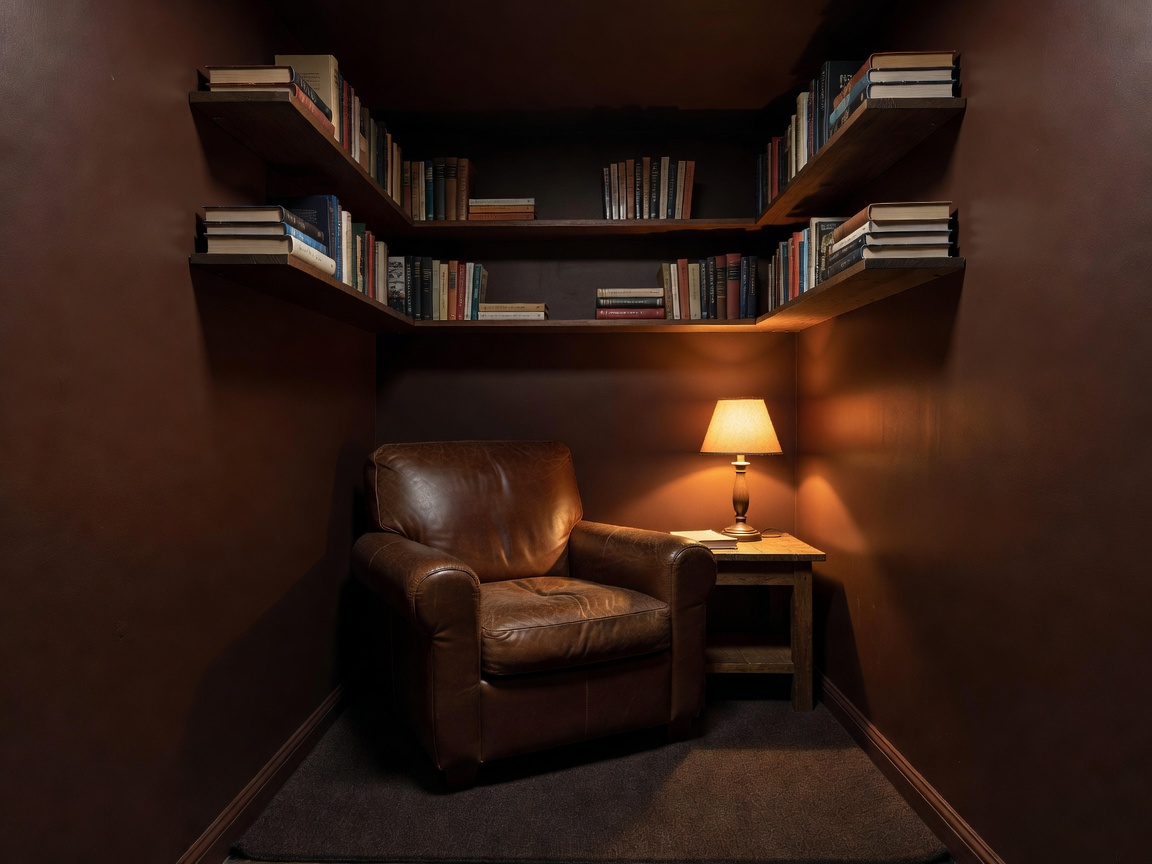
White walls in a small room with little daylight often look grey and flat. A deep, warm colour softens the corners so the eye stops measuring. Box rooms in particular can become cocoon-like snugs or studies. If you rent and cannot paint, achieve a similar effect with deep-coloured curtains, a dark rug and a large dark-framed print. Pair any dark scheme with at least three light sources, as explained in our guide to layering light.
5. One big mirror
A single large mirror, ideally leaning or hung opposite a lamp or window, doubles light and depth. Several small mirrors fragment the wall and add visual noise. At night, position a lamp so its glow reflects in the mirror; you effectively get two light sources for the price of one.
6. Go vertical
Tall shelving, picture rails and hooks use the height most small rooms waste. Run shelves up to the ceiling and keep the top ones for things you rarely need. Hang curtains as close to the ceiling as possible and let them pool slightly on the floor; it lifts the perceived ceiling height dramatically. Tension rods and adhesive hooks help renters avoid drilling, though always check the weight rating.
7. Edit relentlessly
Small spaces cannot hide clutter, so storage has to close. Choose one lidded basket per category and a sideboard with doors rather than open shelving everywhere. Display only a few objects, and rotate them seasonally. The things you show should be the things you love.
8. Bring in texture, not stuff
Texture adds richness without taking space. A bouclé cushion, a heavy linen throw, a ribbed glass lamp and a wool rug make a tiny room feel layered and expensive. Texture also catches low light beautifully, which is why it matters more in an evening-focused scheme than any accessory.
Narrow hallways
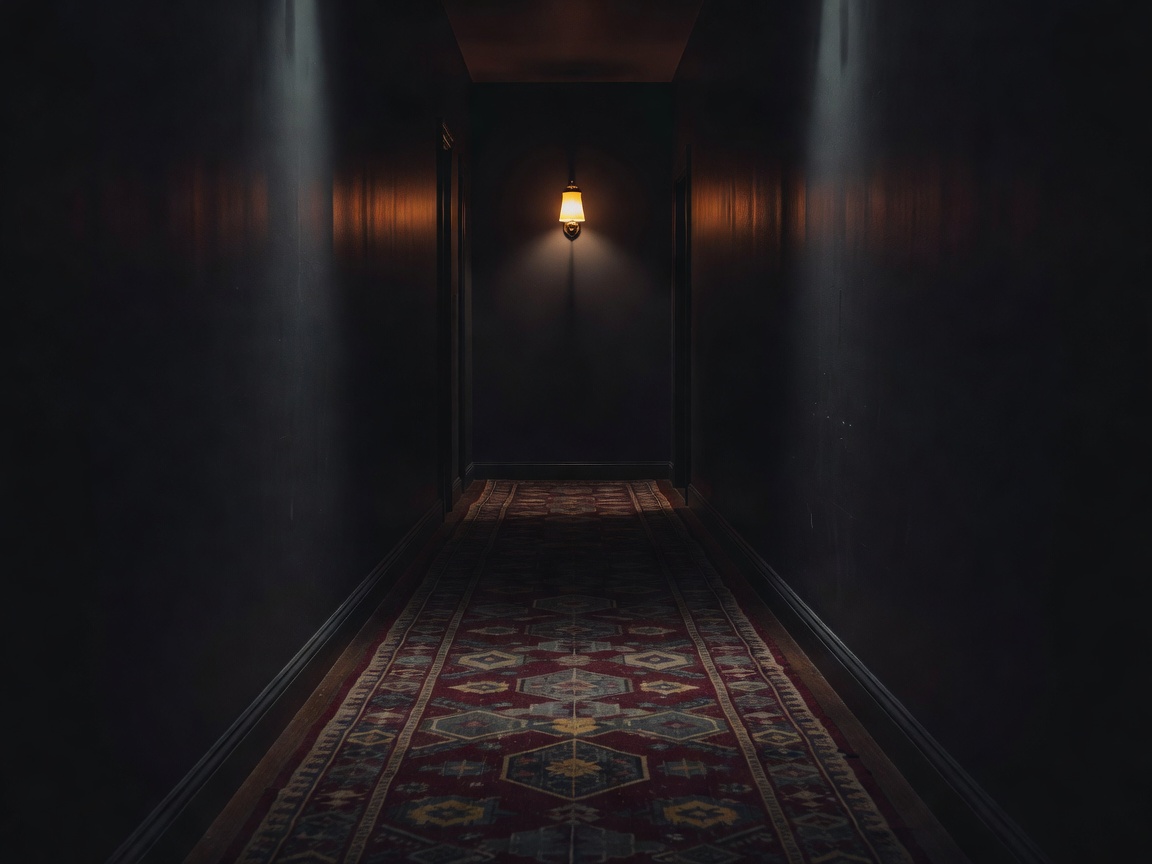
Hallways are often the darkest space in a flat. Paint them a deep tone, add a runner to lead the eye forward, and install a plug-in wall light or picture light at the far end so there is a glowing destination. A narrow console with a lamp can turn a corridor into an arrival moment.
Ready to price it up? See what each move costs in Decor at Every Price.